
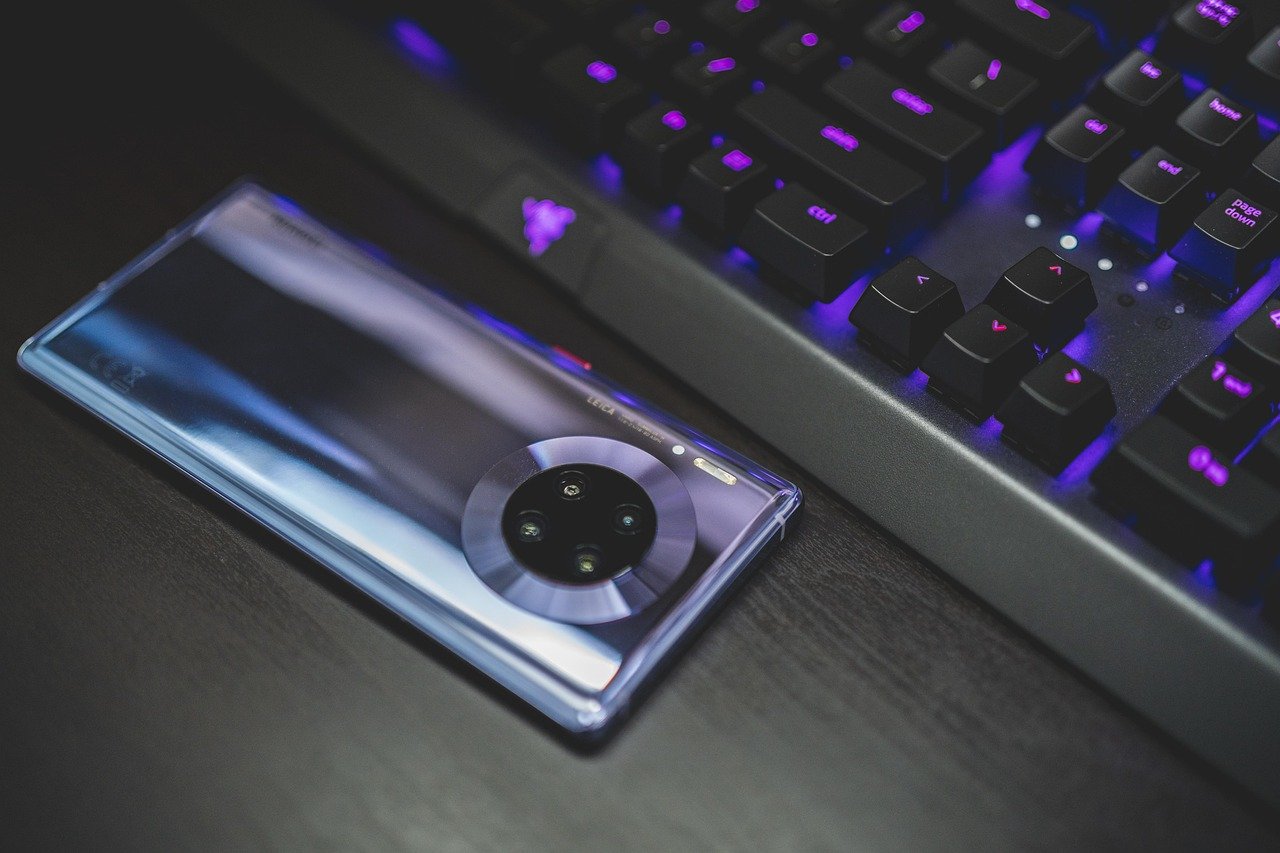
What is 5G Technology?
5G Technology is the latest iteration of mobile networks, designed to provide faster internet speeds, more reliable connections, and improved network efficiency. Unlike its predecessors, 5G is not just about speed; it brings a slew of advancements aimed at enhancing user experience across various applications. Think of it as a significant leap forward in how we connect and communicate, opening doors to innovations that were previously unimaginable.
This new generation of technology operates on a range of frequencies, including lower bands and higher frequency millimeter waves. This combination allows for a broader bandwidth, meaning more devices can connect simultaneously without compromising performance. As a result, users can expect to experience reduced latency, which is crucial for applications requiring real-time interaction, such as gaming or telemedicine.
The Benefits of 5G Technology
5G Technology offers numerous advantages that stand to impact various sectors dramatically. Here are some of the most notable benefits:
- Enhanced Speed: 5G can deliver download speeds exceeding 10 Gbps, which is incredibly faster than 4G. This speed enables seamless video streaming, rapid downloads, and improved online gaming experiences.
- Lower Latency: With latency as low as 1 millisecond, real-time applications like augmented reality (AR) and virtual reality (VR) can thrive. This low latency is essential for applications such as autonomous driving or remote surgeries.
- Increased Connectivity: 5G can support up to 1 million devices per square kilometer. This capability means it’s not just smartphones that benefit; smart cities, IoT devices, and connected machinery can all operate efficiently.
- Improved Network Efficiency: By using advanced technologies like massive MIMO (Multiple Input Multiple Output), 5G can allow for more efficient use of available bandwidth, optimizing the overall network performance.
How 5G Technology Works
The architecture of 5G Technology is complex but fascinating. At its core, it employs a combination of existing 4G infrastructure and new technologies. The three main components of 5G include:
1. Radio Access Network (RAN)
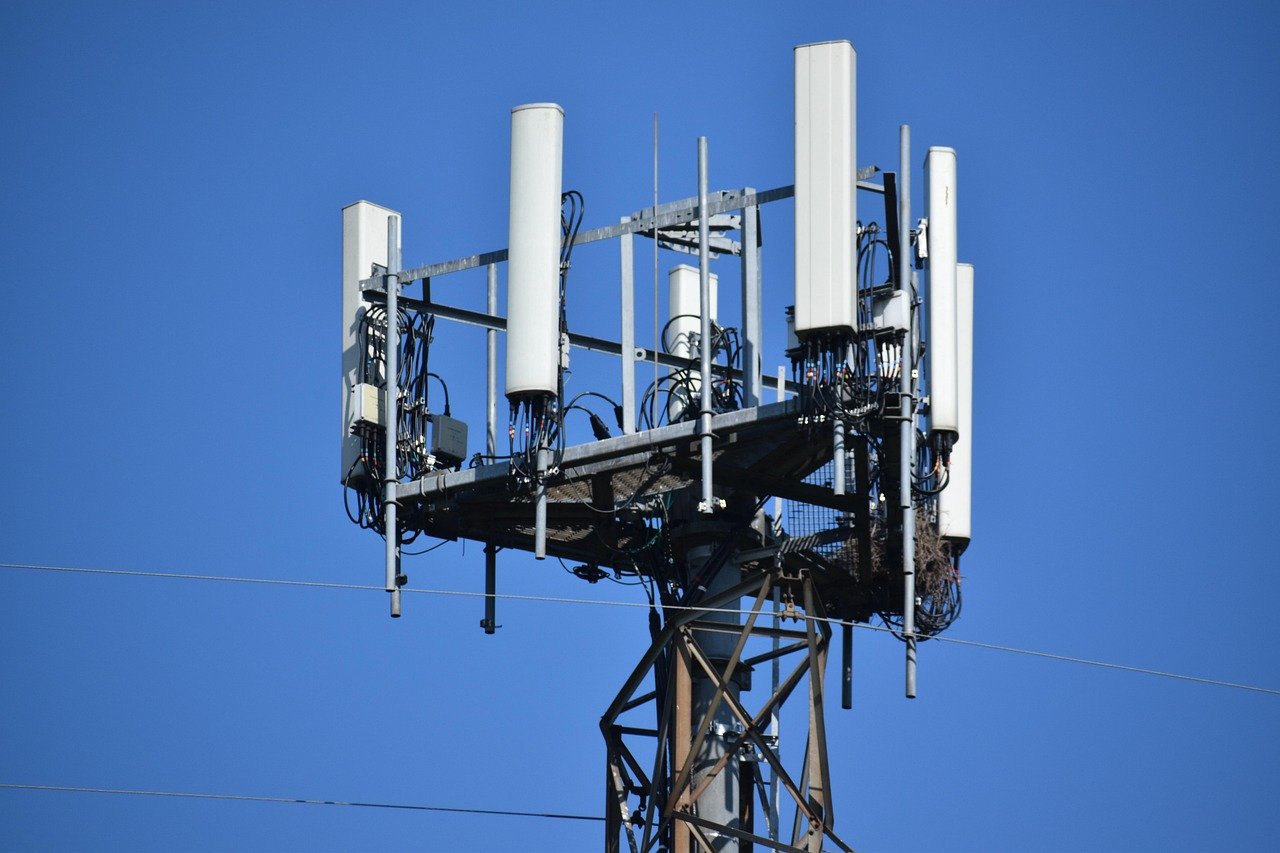
The RAN is where the wireless communication happens. 5G uses a mix of low, mid, and high-band frequencies to enhance coverage and capacity. The high-band frequencies, while offering higher speeds, have a shorter range, making them ideal for dense urban environments.
2. Core Network
The core network is responsible for data routing and management. 5G introduces a service-based architecture, allowing for more flexible and efficient data processing. This flexibility enables the network to cater to various service requirements, from IoT to high-speed internet access. Ransomware Protection: Safeguard Your Data Effectively
3. Edge Computing
Edge computing brings the data processing closer to the user, reducing latency and improving speed. This is crucial for applications that require immediate data processing and analysis, such as autonomous vehicles navigating in real-time.
Applications of 5G Technology
The potential applications for 5G Technology span numerous industries. Here are several key areas where 5G is making a significant impact:
- Healthcare: With telemedicine becoming increasingly popular, 5G allows for high-quality video consultations and remote surgeries, where specialists can operate on patients from miles away using robotic tools.
- Smart Cities: 5G facilitates the development of smart city technologies, including traffic management systems, intelligent lighting, and public safety enhancements, all connected through a robust network.
- Autonomous Vehicles: Self-driving cars rely heavily on real-time data processing. 5G enables vehicles to communicate with each other and their surroundings, leading to safer and more efficient transportation.
- Entertainment: Enhanced streaming services and immersive gaming experiences are possible through the ultra-fast speeds and low latency provided by 5G, allowing for 4K and 8K streaming capabilities.
Challenges Surrounding 5G Technology
While 5G Technology brings numerous benefits, it’s not without challenges. Some of the significant hurdles include:
- Infrastructure Costs: Building the necessary infrastructure for 5G can be expensive. Network providers need to invest heavily in new towers and equipment to support the technology, which can lead to higher costs for consumers.
- Coverage Gaps: While urban areas may see quick implementation, rural areas could lag behind. The high-frequency bands used by 5G have a limited range, making it more challenging to cover vast, open spaces.
- Security Concerns: With increased connectivity comes increased risk. 5G networks could potentially expose more devices to cyber threats, making robust security measures essential.
- Regulatory and Standardization Issues: Different countries have varying regulations regarding spectrum allocation and network deployment, which can complicate the global rollout of 5G.
Future of 5G Technology
The future of 5G Technology looks promising as it continues to evolve. Experts predict that by the end of the decade, 5G will be fully integrated into everyday life, enabling smart homes, advanced healthcare, and much more. The technology is expected to pave the way for innovations we can’t even envision today.
As companies invest in developing related technologies, including AI, machine learning, and IoT, the synergy between these advancements and 5G will create new opportunities across various sectors. For businesses, adopting 5G could mean increased efficiency and productivity, while consumers will enjoy enhanced connectivity and experiences. Phishing Detection AI: Protecting Your Digital Identity
FAQs
What is the primary benefit of 5G Technology?
The primary benefit of 5G Technology is its ability to provide significantly faster internet speeds, lower latency, and increased connectivity for a vast number of devices.
Will 5G replace 4G?
While 5G will not completely replace 4G, it will complement it. Many devices will still rely on 4G networks, especially in areas where 5G is not yet available.
How does 5G impact IoT devices?
5G Technology enhances the functionality of IoT devices by allowing them to communicate more efficiently and reliably, which is crucial for applications like smart homes and industrial automation.
What are the health concerns related to 5G?
Some individuals express concerns about potential health risks from 5G radiation. However, numerous studies have shown that 5G technology is safe when adhering to established guidelines.
When will 5G be widely available?
5G is already being rolled out in many urban areas, with wider availability expected over the next few years as infrastructure continues to develop.