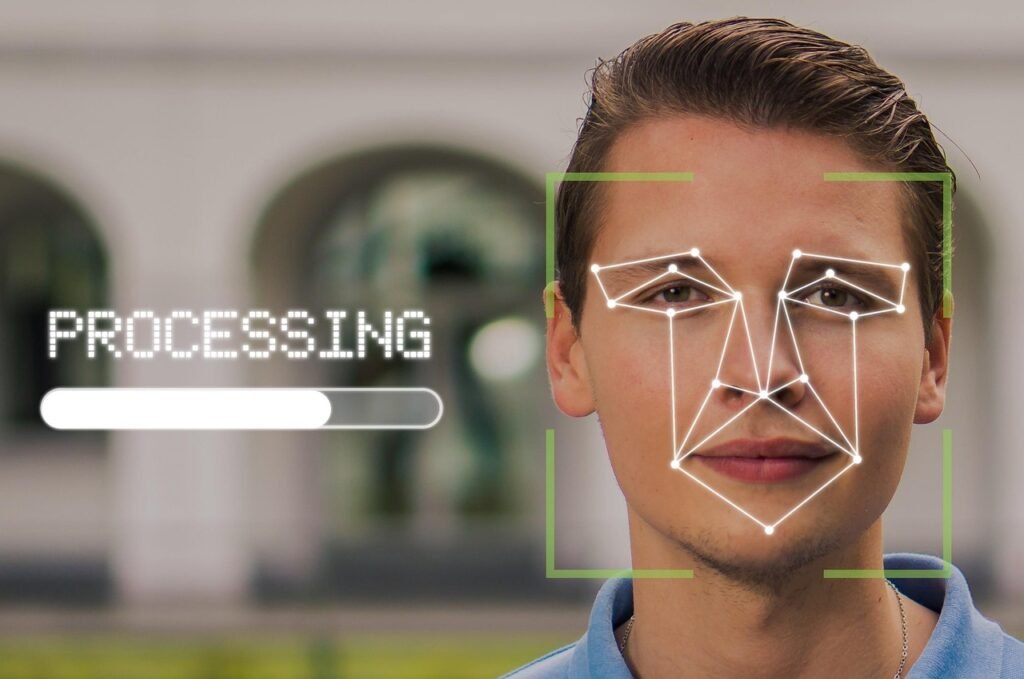

What is Biometric Authentication?
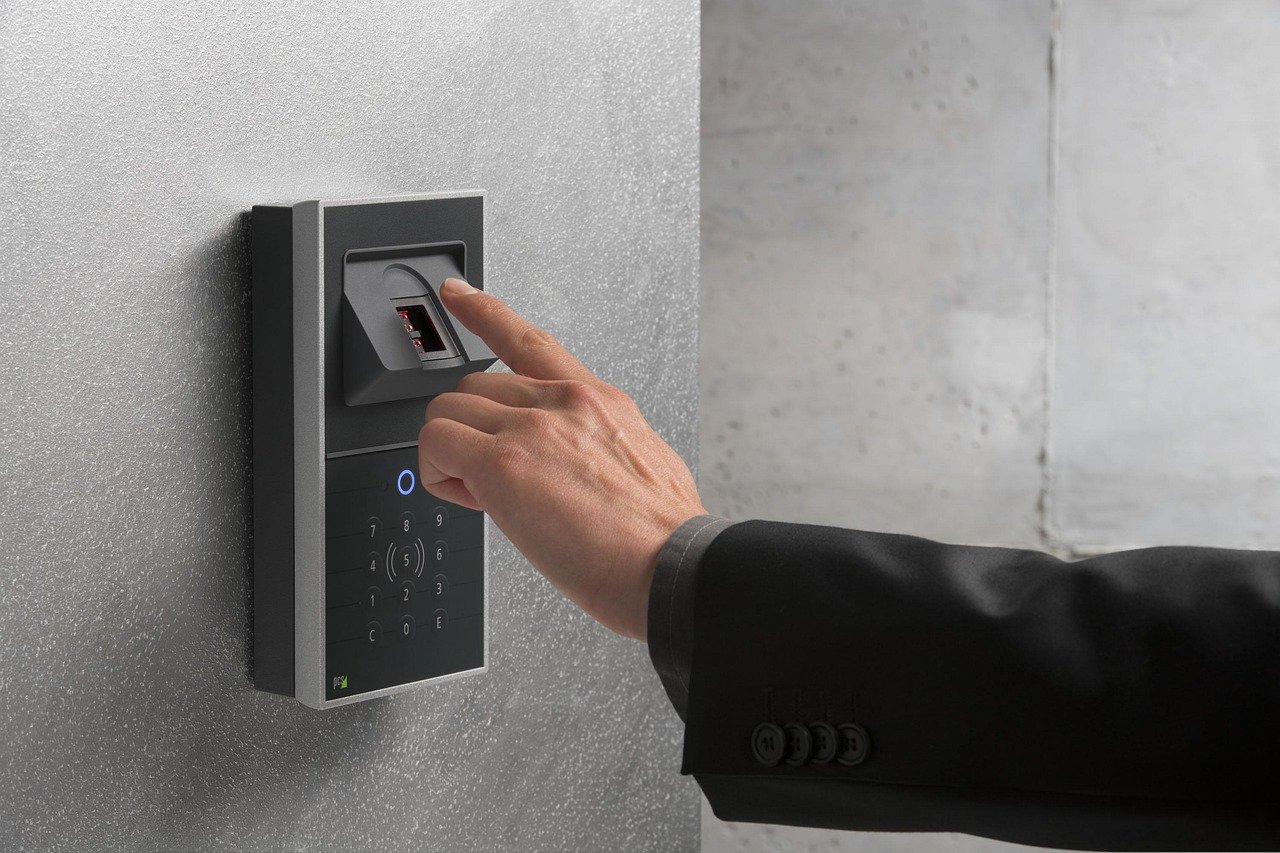
Biometric authentication refers to the process of using unique biological traits to verify a person’s identity. Unlike traditional methods such as passwords or PINs, which can be forgotten or stolen, biometric traits are inherently linked to the individual. These traits include fingerprints, facial recognition, iris patterns, and voice recognition, among others. The technology behind biometric authentication has made significant strides over the past few years, transforming how we secure our devices and personal information.
This method of authentication is becoming increasingly popular in various sectors, including banking, healthcare, and technology. The reason? It offers a level of security that is difficult to replicate. For instance, your fingerprint is unique to you and cannot be easily copied, making it a reliable form of verification. Additionally, with the rise of mobile devices and applications, biometric authentication has become more accessible and user-friendly.
How Biometric Authentication Works
The workings of biometric authentication can be broken down into several stages. First, the system captures a biometric sample from the user. This could be a fingerprint scan, a facial image, or a voice recording. Next, the system processes this sample, extracting unique features that can be used to create a biometric template. This template is then stored securely in a database.
When a user attempts to authenticate, the system again captures their biometric sample and compares it to the stored template. If there is a match, access is granted; if not, the user is denied. Importantly, most systems use sophisticated algorithms to ensure that even slight variations in the biometric sample (like a finger being wet or a face being slightly turned) won’t prevent a legitimate user from gaining access.
Benefits of Biometric Authentication
Biometric authentication offers several benefits that make it a preferred choice for security. Here are a few key advantages:
- Enhanced Security: With biometric traits being unique to individuals, the likelihood of unauthorized access is significantly reduced.
- User Convenience: Users no longer need to remember complex passwords or carry physical keys. A simple fingerprint scan or facial recognition is often all it takes.
- Speed: Biometric authentication is often faster than traditional methods, allowing for quick access without the need for lengthy password entries.
- Reduced Fraud: The use of biometric systems can help to decrease identity theft and fraud, as replicating someone’s biometric traits is much more challenging than stealing a password.
Challenges and Limitations of Biometric Authentication
While biometric authentication has many advantages, it’s not without its challenges. One significant concern is privacy. Users may be hesitant to share their biometric data due to fears of misuse or hacking. If a biometric database were to be compromised, it could lead to irreplaceable losses, as unlike passwords, biometric data cannot be changed. Mastering Security Automation for Enhanced Protection
Furthermore, the technology itself can sometimes fail. For instance, certain environmental factors such as lighting conditions can affect facial recognition accuracy, while dirty or wet fingers can hinder fingerprint scanning. Additionally, there’s the risk of false positives or negatives, which can lead to legitimate users being denied access or unauthorized users gaining entry.
Real-World Applications of Biometric Authentication
Biometric authentication is already being implemented across various industries. In banking, for example, many institutions are adopting fingerprint and facial recognition technologies to enhance security for mobile banking apps. In healthcare, biometric systems can ensure that patient data is accessed only by authorized personnel, protecting sensitive information.
Retailers are also leveraging biometric authentication for a seamless checkout experience. By using facial recognition at checkout, stores can speed up the payment process, making shopping more efficient for customers. Government agencies have also begun using biometric verification for border control and national security, ensuring that travelers are who they claim to be.
Future Trends in Biometric Authentication
As technology continues to advance, the future of biometric authentication looks promising. Innovations such as multi-modal biometrics, which use multiple biometric traits for verification, are gaining traction. This approach enhances security by making it even harder for unauthorized users to gain access.
Additionally, the integration of artificial intelligence in biometric systems is set to improve accuracy and efficiency. AI can help in analyzing biometric data patterns over time, making systems smarter and more responsive to user behavior. As these technologies evolve, we can expect biometric authentication to become even more prevalent in our daily lives. Understanding Martech (Marketing Technology): The Future of Marketing
FAQs
1. What types of biometric authentication are common?
Common types include fingerprint recognition, facial recognition, iris recognition, and voice recognition. Each has its unique applications and benefits.
2. Is biometric authentication secure?
Yes, biometric authentication is generally considered secure due to the uniqueness of biometric traits. However, it’s essential to implement it alongside other security measures.
3. Can biometric data be hacked?
While biometric data is harder to steal compared to passwords, it is not immune to hacking. Ensuring proper encryption and security measures is vital.
4. What happens if my biometric data is compromised?
Unlike passwords, biometric data cannot be changed. If compromised, it can lead to severe security risks, making it crucial to have robust protection in place.
5. How can I ensure my biometric data is safe?
Use devices that encrypt biometric data and ensure that the service providers follow strict data protection regulations.