
Understanding Smart Cities Technology
Smart Cities Technology is revolutionizing urban living. Imagine a world where city services are optimized for efficiency, sustainability, and enhanced quality of life. This isn’t just a dream; it’s happening now in cities around the globe. By leveraging advanced technologies such as the Internet of Things (IoT), big data analytics, and artificial intelligence (AI), cities are becoming more responsive to the needs of their citizens.
At its core, Smart Cities Technology integrates a variety of systems—transportation, energy, waste management, and public safety—into a cohesive framework. This integration allows for real-time data collection and analysis, enabling city officials to make informed decisions quickly. For instance, when traffic patterns change due to a major event, smart traffic lights can adjust in real-time to alleviate congestion, ensuring smoother travel for everyone.
The Key Components of Smart Cities Technology
Several key components form the backbone of Smart Cities Technology. These components work together to create a more livable and sustainable urban environment. Here are some of the most crucial elements:
- IoT Sensors: These devices gather data on various urban parameters including air quality, noise levels, and traffic flow.
- Data Analytics: Advanced analytics processes this data to provide actionable insights, helping city planners and officials make informed decisions.
- Smart Infrastructure: This includes smart grids for energy, intelligent transportation systems, and automated waste management solutions.
- Citizen Engagement Platforms: Applications that allow residents to report issues, give feedback, and stay informed about city services.
By combining these elements, cities can enhance operational efficiency, reduce costs, and improve public services. This not only benefits the city administration but also significantly enriches the lives of residents.
Benefits of Implementing Smart Cities Technology
Implementing Smart Cities Technology offers a wide range of benefits that positively impact both residents and city officials. Here are some of the most notable advantages:
- Improved Efficiency: Automation and real-time data analysis streamline operations, reducing waste and improving service delivery.
- Enhanced Sustainability: Smart technologies help manage resources more effectively, leading to lower energy consumption and reduced carbon footprints.
- Better Quality of Life: Enhanced public services and infrastructure make urban living more enjoyable, promoting health and well-being.
- Increased Economic Opportunities: Smart cities attract businesses and investments, boosting local economies.
These benefits create a compelling case for cities to adopt Smart Cities Technology, as they lead to thriving, sustainable urban environments.
Challenges in Adopting Smart Cities Technology
Despite the numerous advantages, adopting Smart Cities Technology isn’t without challenges. Here are some hurdles cities might face: 6G Research: The Future of Wireless Connectivity
- Funding and Budgeting: Securing funds for technology investments can be difficult, especially for smaller municipalities.
- Data Privacy Concerns: The collection of vast amounts of data raises concerns about privacy and data security.
- Integration Issues: Many existing systems may not easily integrate with new technologies, requiring significant upgrades.
Addressing these challenges is essential for successful implementation. Cities need to develop strategic plans that include public-private partnerships to share costs and expertise.
Case Studies of Successful Smart Cities
Several cities around the world have successfully implemented Smart Cities Technology, showcasing its potential. For instance, Barcelona has integrated smart lighting and waste management systems, resulting in notable energy savings and improved cleanliness. Similarly, Singapore uses a comprehensive smart traffic management system that has significantly reduced congestion.
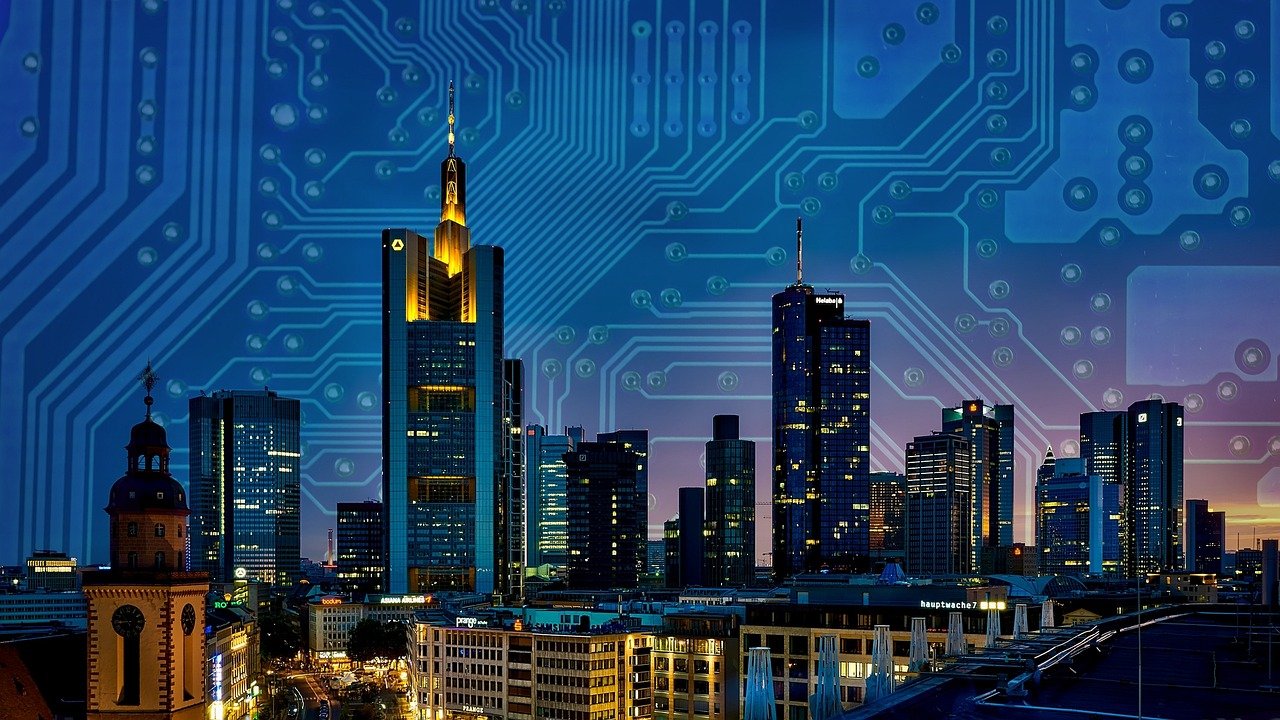
These examples illustrate that with the right technology, cities can realize substantial benefits, transforming urban living for their residents. By learning from these case studies, other cities can adopt best practices and tailor solutions to their unique challenges.
The Future of Smart Cities Technology
The future of Smart Cities Technology looks promising. As technology continues to advance, cities will have access to even more sophisticated tools and data processing capabilities. Innovations like 6G networks and advanced AI will likely play pivotal roles in the next phase of urban development.
Moreover, as more cities embrace sustainability initiatives, Smart Cities Technology will be crucial in achieving climate goals. Cities will become not only smarter but also greener, enhancing overall quality of life for residents.
Conclusion
Smart Cities Technology represents the future of urban living. By investing in advanced technologies and embracing innovative solutions, cities can create environments that are efficient, sustainable, and enjoyable for all their residents. Residents, city officials, and businesses must collaborate to navigate the challenges and reap the benefits of this transformative technology. 5G Technology: Transforming Connectivity and Communication
FAQs
1. What is Smart Cities Technology?
Smart Cities Technology refers to the use of advanced technologies to improve urban services, enhance the quality of life, and promote sustainability in cities.
2. How does Smart Cities Technology benefit residents?
It enhances public services, reduces energy consumption, and improves the overall quality of urban living.
3. What challenges do cities face in becoming smart?
Funding, data privacy concerns, and integration of existing systems pose significant challenges.
4. Can you give an example of a successful smart city?
Barcelona is a notable example, successfully implementing smart lighting and waste management systems.
5. What does the future hold for Smart Cities Technology?
Future advancements will likely include enhanced connectivity through 6G and more sustainable solutions for urban development.