
Understanding Drone Technology
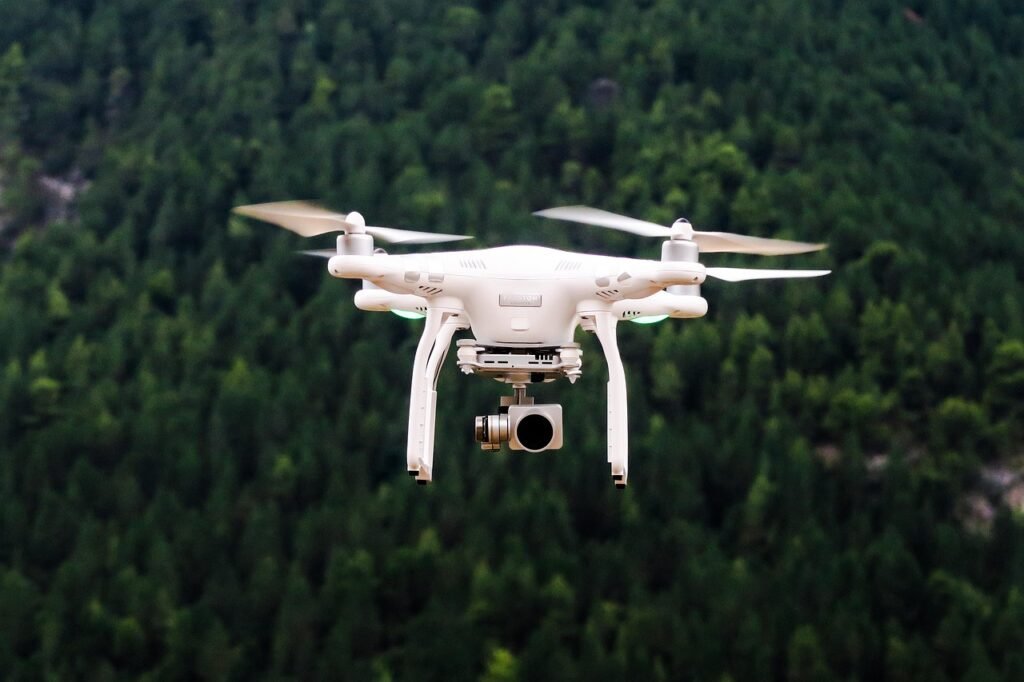
Drone Technology has rapidly evolved, transforming various industries and personal experiences alike. These unmanned aerial vehicles (UAVs) are now not just toys for enthusiasts but vital instruments in sectors like agriculture, logistics, and public safety. With advancements in sensors, software, and battery life, drones can perform complex tasks autonomously, revolutionizing the way we approach problem-solving.
Imagine a world where delivery drones drop packages at your doorstep, or where aerial photography captures breathtaking landscapes from angles never before possible. This isn’t just a distant dream; it’s already happening. As you dive deeper into the realm of Drone Technology, you’ll discover how these machines are reshaping industries and our daily lives.
Applications of Drone Technology
One of the most exciting aspects of Drone Technology is its diverse range of applications. From agriculture to emergency response, drones are making significant impacts. In farming, drones equipped with multispectral sensors analyze crop health, enabling farmers to make data-driven decisions about irrigation and fertilization. This not only increases yield but also reduces waste and environmental impact.
In logistics, major companies like Amazon are testing drone delivery systems that promise to speed up shipping times and reduce costs. Imagine ordering a product and having it delivered in mere minutes, all thanks to Drone Technology. Emergency responders are also finding value in drones for search and rescue missions, where aerial views can lead to quicker identification of missing persons or disaster-stricken areas.
Drone Technology in Agriculture
Drones are becoming indispensable on modern farms. Equipped with advanced imaging technology, these UAVs can monitor crop conditions, assess soil health, and even optimize water usage. Farmers can collect data over large areas quickly, enabling them to respond to issues before they escalate. For instance, a drone might identify areas of a field that are underperforming, prompting targeted interventions that save time and resources.
Drone Technology in Logistics
Logistics is another field being transformed by Drone Technology. Companies are exploring how drones can handle last-mile deliveries, which is often the most expensive and time-consuming part of the shipping process. With drones, businesses can navigate traffic and other obstacles that slow down traditional delivery methods. This innovation could lead to faster delivery times and increased customer satisfaction. Understanding Serverless Computing: The Future of Cloud Services
Challenges Facing Drone Technology
Despite its many benefits, Drone Technology faces several challenges that could hinder its widespread adoption. One major issue is regulatory compliance. Governments around the world are still figuring out how to manage airspace with the increasing number of drones flying around. Ensuring safety and privacy is a priority, but it can sometimes slow down the integration of drones into everyday use.
Moreover, technological limitations still exist. While drones have improved significantly, battery life remains a critical concern. Most drones can only operate for a limited time before needing a recharge. This limits their range and utility. Overcoming these challenges is crucial for the future of Drone Technology.
Regulations and Compliance
As Drone Technology becomes more mainstream, understanding the legal landscape is essential. Each country has its own regulations regarding UAV usage, often focusing on airspace safety, privacy concerns, and operational limits. For instance, in the U.S., the Federal Aviation Administration (FAA) has established rules that drone operators must follow to ensure safe flights.
The Future of Drone Technology
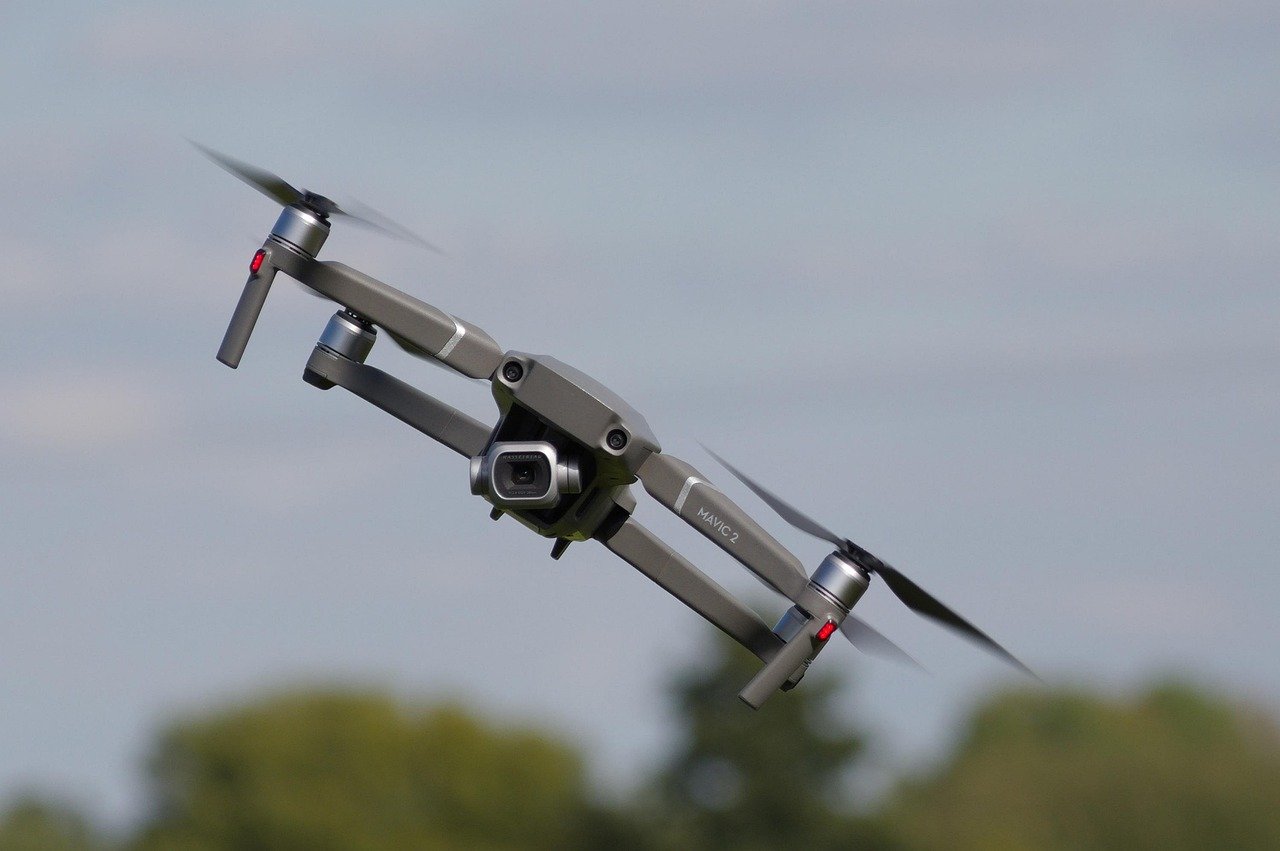
The future looks promising for Drone Technology. Innovations in artificial intelligence and machine learning are set to enhance drone capabilities, making them even more autonomous and efficient. Imagine drones that can learn from their environments and adapt their flight paths based on real-time data. This evolution could lead to greater applications in fields such as environmental monitoring, wildlife conservation, and even urban planning.
Additionally, as public perception shifts and technology becomes more accepted, we might see drones playing a pivotal role in our everyday lives. From personal photography to urban transportation, the possibilities are endless. It’s essential to stay informed about these advancements as they unfold, as they will undoubtedly shape the future. Maximize Engagement with Website Personalization Strategies
Technological Innovations on the Horizon
As we look ahead, several groundbreaking innovations are on the horizon for Drone Technology. Enhanced battery technology is one area where significant advancements are expected. New materials and designs could lead to batteries that last longer and charge faster. This would expand the operational range of drones, allowing them to serve more functions for longer periods.
FAQs
What is Drone Technology?
Drone Technology involves the use of unmanned aerial vehicles (UAVs) equipped with various sensors and cameras to perform tasks like surveillance, delivery, and agriculture.
How are drones used in agriculture?
Drones help farmers monitor crop health, assess soil conditions, and manage irrigation efficiently, leading to better yields and reduced resource waste.
What challenges does Drone Technology face?
Challenges include regulatory compliance, safety concerns, and limitations in battery life, which can hinder widespread adoption.
What does the future hold for Drone Technology?
The future includes advancements in AI, better battery technology, and expanded applications in various sectors, from logistics to environmental monitoring.
How can I get started with drones?
To start with drones, research the regulations in your area, choose a drone that fits your needs, and consider taking a training course to become proficient in flying.