
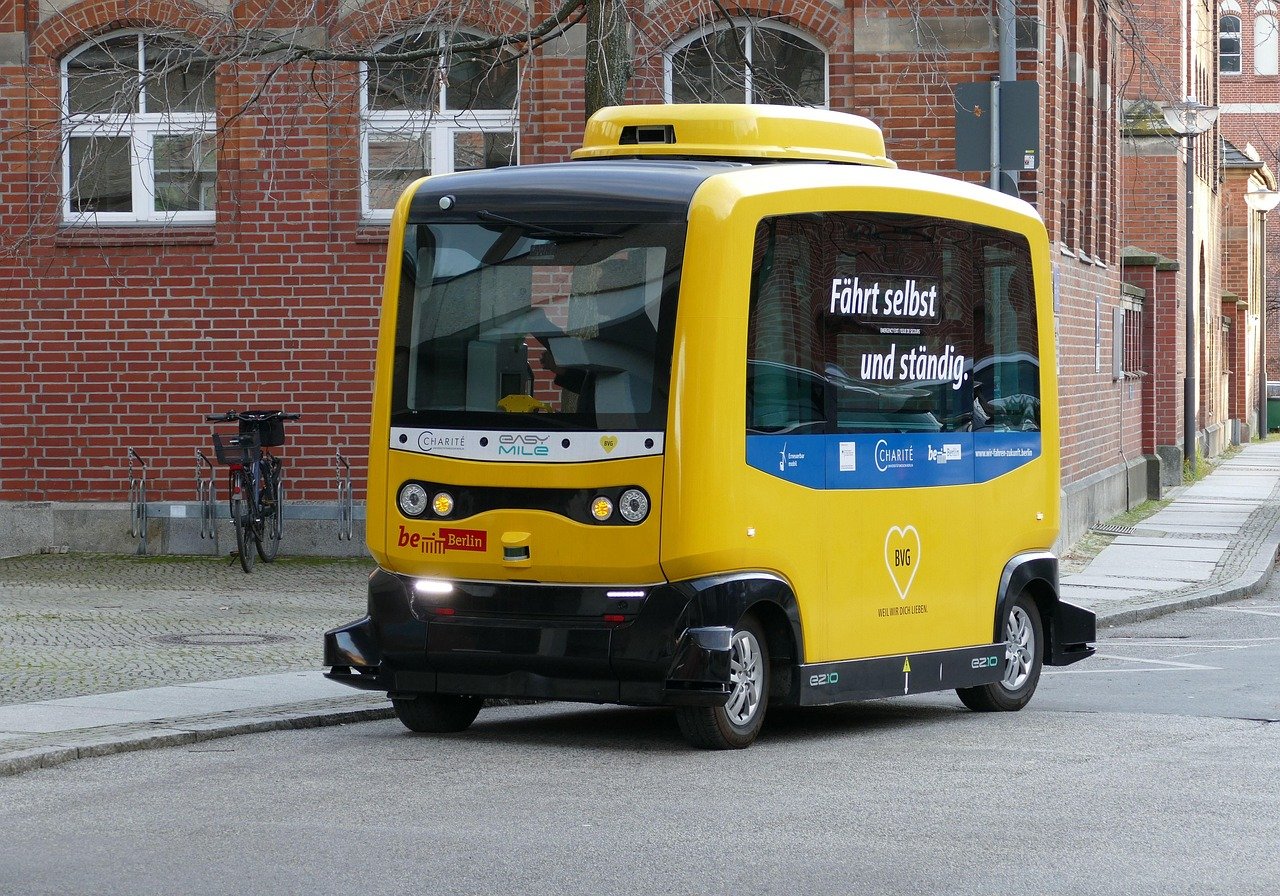
What Are Autonomous Vehicles?
Autonomous vehicles, often known as self-driving cars, are vehicles capable of navigating and operating without human intervention. These vehicles use a combination of sensors, cameras, radar, and artificial intelligence (AI) to perceive their surroundings and make decisions. The concept isn’t entirely new, but recent advancements in technology have accelerated their development. Imagine a car that can drive you to work while you relax or catch up on emails. That’s the promise of autonomous vehicles.
But what makes these machines tick? At the heart of autonomous vehicles is an intricate system of algorithms and data processing. They analyze real-time data from their environment, such as other vehicles, pedestrians, and road conditions. This data allows them to make informed decisions on speed, direction, and safety. As we dive deeper into this topic, you’ll see how various companies and technologies are shaping the future of transportation.
Types of Autonomous Vehicles
When discussing autonomous vehicles, it’s essential to understand that they come in different levels of automation. The Society of Automotive Engineers (SAE) has classified them into six levels, from Level 0 (no automation) to Level 5 (full automation). Below is a breakdown of these levels:
- Level 0: No automation. The human driver is responsible for everything.
- Level 1: Driver assistance. Features like adaptive cruise control are available, but the driver must remain engaged.
- Level 2: Partial automation. The vehicle can control steering and acceleration but requires constant supervision from the driver.
- Level 3: Conditional automation. The vehicle can handle most driving tasks, but the driver must be ready to take over when needed.
- Level 4: High automation. The vehicle can operate independently in certain conditions without human intervention.
- Level 5: Full automation. No human intervention is needed. The vehicle can operate in all environments.
Understanding these levels helps consumers gauge the capabilities of different vehicles on the market today. Companies like Waymo, Tesla, and Cruise are leading the way in developing Level 4 and 5 vehicles, pushing the boundaries of what’s possible in autonomous driving.
How Autonomous Vehicles Work
The functioning of autonomous vehicles hinges on several technologies working together in harmony. These include:
- Sensors: Lidar, radar, and cameras detect and interpret the surrounding environment. Lidar, for instance, uses laser beams to create a 3D map of the surroundings.
- Artificial Intelligence: AI algorithms process data from sensors to make real-time driving decisions. This includes recognizing traffic signs, detecting obstacles, and predicting the behavior of other road users.
- Connectivity: Autonomous vehicles often connect to the internet to receive updates and communicate with other vehicles. This interconnectedness enhances safety and efficiency.
By combining these technologies, autonomous vehicles can navigate complex scenarios, from busy urban environments to open highways. They can anticipate potential hazards and react accordingly, potentially reducing the number of accidents caused by human error. Smart Cities Technology: Transforming Urban Living for All
Benefits of Autonomous Vehicles
The rise of autonomous vehicles promises numerous benefits, both for individuals and society at large. Here are some key advantages:
- Increased Safety: With human error accounting for over 90% of traffic accidents, autonomous vehicles could drastically reduce crash rates.
- Improved Traffic Efficiency: Autonomous vehicles can communicate with each other to optimize traffic flow, potentially reducing congestion and travel times.
- Accessibility: Self-driving cars can offer mobility solutions for those unable to drive, including the elderly and disabled.
- Environmental Impact: Many autonomous vehicles are electric, contributing to reduced emissions and a smaller carbon footprint.
These benefits show how autonomous vehicles could revolutionize transportation as we know it. However, the transition to a fully autonomous fleet will require addressing regulatory, ethical, and technological challenges.
Challenges Facing Autonomous Vehicles
While the potential for autonomous vehicles is exciting, several challenges remain to be addressed:

- Regulatory Hurdles: Governments need to establish regulations that ensure safety without stifling innovation.
- Public Acceptance: Many people remain skeptical about trusting machines with their safety. Building public confidence is crucial.
- Technical Limitations: Weather conditions and complex driving environments can pose challenges for current technology.
- Cybersecurity Risks: As vehicles become more connected, the risk of hacking and cyber threats increases.
Addressing these challenges is vital for the widespread adoption of autonomous vehicles. Collaboration between manufacturers, regulators, and technology companies will play a key role in overcoming these obstacles.
Current Trends in Autonomous Vehicle Technology
The field of autonomous vehicles is continually evolving. Several key trends are shaping its future: 6G Research: The Future of Wireless Connectivity
- Integration with Smart Cities: Many cities are exploring how autonomous vehicles can work alongside smart infrastructure to enhance urban mobility. For instance, traffic lights that communicate with vehicles can reduce congestion.
- Advancements in AI: Ongoing improvements in machine learning and AI are making vehicles smarter and more capable of handling complex scenarios.
- Partnerships and Collaborations: Traditional automakers are teaming up with tech companies to accelerate the development of autonomous technology.
These trends indicate a shift towards a more integrated approach to transportation, where autonomous vehicles play a crucial role in shaping future mobility.
FAQs
What are the main benefits of autonomous vehicles?
Autonomous vehicles offer increased safety, improved traffic efficiency, enhanced accessibility for disabled individuals, and a positive environmental impact.
How do autonomous vehicles navigate?
They navigate using a combination of sensors, cameras, AI algorithms, and connectivity to interpret their surroundings and make real-time driving decisions.
What challenges do autonomous vehicles face?
Challenges include regulatory hurdles, public acceptance, technical limitations, and cybersecurity risks.
What is the future of autonomous vehicles?
The future includes greater integration with smart cities, advancements in technology, and increased collaboration among manufacturers and tech companies.
Are autonomous vehicles safe?
While they have the potential to be safer than human-driven vehicles, ongoing testing and regulation are needed to ensure their safety on public roads.